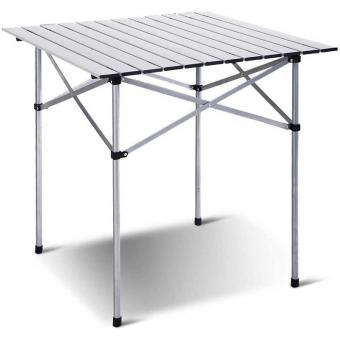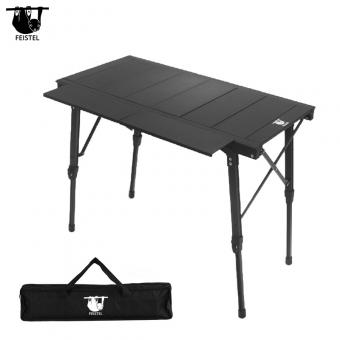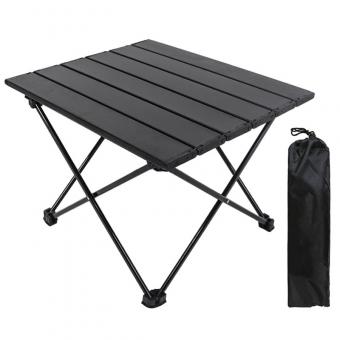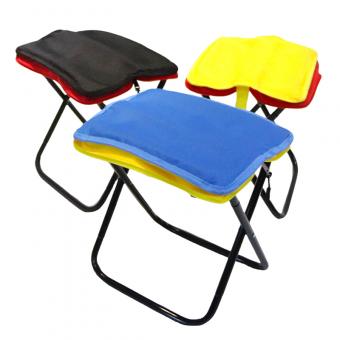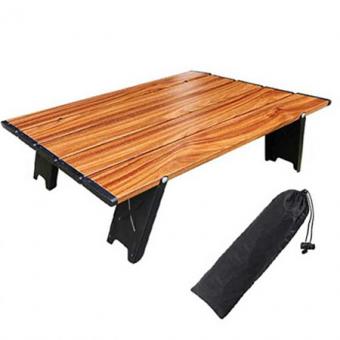
Marke : ANHUI FEISTEL FACTORY Zugehörige Fertigung : OEM und ODM Produkt : Ein leichter, kleiner, faltbarer Picknicktisch, perfekt für Outdoor-Aktivitäten. Es besteht aus langlebigen Materialien, ist tragbar und einfach einzurichten.
neil Willkommen auf unserer Website !
erfahren Sie mehrWenn Sie nach Trekkingstöcken suchen, werden Sie schnell zwei vorherrschende Griffmaterialien bemerken: Kork und EVA-Schaum. Beide sehen auf den ersten Blick ähnlich aus, aber sie verhalten sich in der Hand sehr unterschiedlich – besonders bei einem langen Tag auf dem Wanderweg.Dieser Leitfaden erklärt die Wissenschaft, das Gefühl, die Haltbarkeit und die Bedingungen, unter denen jedes Material seine Stärken ausspielt, damit Sie den Griff wählen können, der Ihre Hände bequem hält und Ihre Stöcke jahrelang sicher in der Hand liegen lässt.
Der wichtigste Unterschied zwischen Kork- und Schaumgriffen ist, wie sie mit Feuchtigkeit umgehen – und dieser einzelne Faktor bestimmt oft, welches Material für Sie geeignet ist.
Natürlicher Kork enthält ungefähr 40 Millionen abgestorbene Zellen pro Kubikzentimeter, die jeweils mit eingeschlossener Luft gefüllt sind.Aber der eigentliche Zauber ist Suberin, eine wachsartige Verbindung, die in diesen Zellwänden eingebettet ist und Kork von Natur aus wasserabweisend macht.Anstatt Schweiß wie ein Schwamm aufzusaugen, verteilt Kork die Oberflächenfeuchtigkeit über seine Oberfläche, sodass sie schnell verdunstet.
Das bedeutet, dass Ihre Hand trockener bleibt, weil die Feuchtigkeit nach außen wandert, statt sich zwischen Haut und Griff zu sammeln.Kork wird außerdem griffiger, wenn er nass ist – die Oberflächenreibung nimmt durch Feuchtigkeit tatsächlich zu.Das ist ein großer Vorteil bei steilen Abstiegen, bei denen ein verrutschender Griff zu einem Stolpern führen könnte.
EVA-Schaum (Ethylen-Vinylacetat) verfolgt den entgegengesetzten Ansatz. Er verwendet eine geschlossenzellige Polymerstruktur, bei der Gas in jeder einzelnen Zelle eingeschlossen ist.Die Oberfläche ist technisch gesehen wasserbeständig, aber in der Praxis bedeutet das, dass Ihr Schweiß nirgendwohin kann. Er sammelt sich zwischen Haut und Griff und erzeugt einen gleitenden Film, den Wanderer bei anhaltender Anstrengung in hoher Luftfeuchtigkeit als "schleimig" oder "klamm" beschreiben.
Ein Nutzer auf dem Appalachian Trail brachte es treffend auf den Punkt: "Die EVA-Schaumgriffe, die sich im Geschäft so angenehm gepolstert anfühlten, sind jetzt bei einem Abstieg über loses Geröll eine rutschige Belastung."
Eine der am meisten geschätzten Eigenschaften von Kork ist seine Fähigkeit, sich im Laufe der Zeit zusammenzudrücken und leicht an die Form Ihrer Hand anzupassen.Nach einigen langen Wanderungen beginnt der Griff, sich an die individuelle Kontur Ihrer Handfläche anzupassen, wodurch Druckstellen reduziert und der Komfort erhöht werden.Dies ist eine Form der passiven Anpassung, die Schaum einfach nicht nachbilden kann – Schaum ist statisch; er wird sich immer genauso anfühlen wie an dem Tag, an dem Sie ihn gekauft haben.
Wanderer, die mit Kork ernsthafte Strecken zurückgelegt haben, sprechen über die „Schweißpatina“,bei der der Griff sich über Hunderte von Kilometern verdunkelt und glättet und eine individuelle Oberfläche entsteht, die durch die Nutzung tatsächlich griffiger wird.
EVA-Schaumstoffgriffe bieten sofort weiche Dämpfung ohne Einlaufzeit.Wenn Sie empfindliche Haut haben oder zu sofortigen Blasen neigen, ist die Weichheit von EVA eine sofortige Lösung.Neue Schaumstoffgriffe haben ein weiches, gepolstertes Gefühl, das viele Nutzer sofort als angenehm empfinden.
Kork ist jedoch die bessere Option, da es selten vorkommt, dass diese Griffe langfristig zu Blasen führen.Schaumstoffgriffe leiten Feuchtigkeit nicht ab, wodurch sich Ihre Hände klamm anfühlen können.
Korkhat eine geringe Wärmeleitfähigkeit – etwa 0,040 W/m·K– was bedeutet, dass er temperaturneutral bleibt, egal ob Sie unter der Wüstensonne wandern oder an einem frostigen Morgen kalte Metallschäfte greifen.Er fühlt sich im Winter nicht kalt und im Sommer nicht heiß an.
Schaumstoff, im Gegensatz dazu, isoliert besser als Kork. An einem eiskalten Wintermorgen sind Schaumstoffgriffe spürbar wärmer bei Berührung– Ihre Hände werden die Kälte durch den Griff weniger wahrscheinlich spüren.Bei kalten Bedingungen sind Schaumstoffgriffe für Menschen mit Arthritis oder empfindlichen Handflächen wärmer und angenehmer für die Hände.
Für heiße und feuchte Bedingungen ist Kork jedoch der klare Gewinner. Schaumstoff kann sich bei direkter Sonneneinstrahlung heiß und klebrig anfühlen, wodurch das Halten unangenehm wird.
Schaumstoff ist deutlich leichter als Kork– ein Schaumstoffgriff könnte 20–30 g weniger wiegenals ein gleich großer Korkgriff.Für Ultraleicht-Rucksackwanderer und Trailläufer, die jedes Gramm zählen, ist dieser Unterschied wichtig. Bei zwei Stöcken entspricht das einer Gewichtsersparnis von 40–60 g.
Ein Hersteller weist darauf hin, dass EVA-Stöcke trotz ansonsten identischer Eigenschaften bis auf die Griffe 7 oz pro Stock wiegen, während Korkstöcke 9,5 oz pro Stock wiegen.
Allerdings bedeutet die Tatsache, dass Trekkingstöcke Korkgriffe haben, nicht automatisch, dass sie insgesamt schwerer sind.Der Gewichtsunterschied zwischen den beiden ist im Zusammenhang mit einem vollständigen Stock oft vernachlässigbar.
Hochwertige Korkgriffe können bei richtiger Pflege viele Jahre halten.Im Gegensatz zu Schaumstoff, der reißen oder zu einer harten, abgeflachten Form zusammengedrückt werden kann, behält Kork seine Stabilität und Elastizität.
Einige Nutzer haben unterschiedliche Erfahrungen berichtet. Ein Wanderer merkte an, dass Kork „bequemer, aber deutlich weniger langlebig“ sei. Ein anderer Benutzer bevorzugte Kork gegenüber Schaumstoff, räumte aber ein, dass „Schaumstoff anscheinend schneller trocknet, günstiger und langlebiger ist.“
Outdoor Gear Lab stellte jedoch fest, dass der Korkgriff bei einem bestimmten Stangenmodell „langlebiger als alle Schaumstoffgriffe“ war.
Die Realität ist, dass die Langlebigkeit stark von der Qualität abhängt. Hochwertige Vollkork-Konstruktionen übertreffen einfache Verbundmischungen. Hochwertiger Schaumstoff behält eine gleichbleibende Leistung bei; minderwertiger Schaumstoff kann mit der Zeit dauerhafte Vertiefungen entwickeln.
Kork ist ein erneuerbares, biologisch abbaubares Material. Die Rinde wird alle 9–12 Jahre geerntet, ohne den Baum zu schädigen, wodurch sie zu einem der nachhaltigsten verfügbaren Outdoor-Materialien wird. Kork ist außerdem antimikrobiell, wodurch Geruchsbildung auf mehrtägigen Wanderungen verhindert wird. Auf langen Reisen bedeutet das weniger Bakterienkolonien, weniger unangenehme Gerüche und keinen Griffgeruch, der synthetische Griffe nach einer Woche Regen plagt.
Schaumstoff ist ein synthetisches Material, das aus Erdöl gewonnen wird. Obwohl er günstiger herzustellen ist, bietet er nicht die gleichen Umweltvorteile wie natürlicher Kork.
Viele hochwertige Trekkingstöcke verfügen mittlerweile über Hybrid-Griffdesigns die beide Materialien kombinieren. Beispielsweise verfügt der Black Diamond Alpine Carbon Cork über einen ergonomischen Soft-Touch-Griffaufsatz mit 100 % natürlichem Korkgriff und EVA-Schaumstoff-Griffverlängerung.
Diese Konfiguration bietet den feuchtigkeitsableitenden Komfort von Kork dort, wo Ihre Hand natürlicherweise ruht, sowie die leichte Polsterung von Schaumstoff zum Umgreifen auf steilem Gelände—wodurch Sie den Stock bei Serpentinen weiter unten greifen können, ohne anzuhalten und seine Länge anzupassen.
Merkmal
Kork
EVA-Schaumstoff
Feuchtigkeitsmanagement
★★★★★ (leitet Schweiß ab, wird bei Nässe griffig)
★★ (Schweiß sammelt sich an der Oberfläche, wird rutschig)
Individuelle Passform
★★★★★ (passt sich mit der Zeit der Hand an)
★ (statisch, keine Anpassung)
Anfänglicher Komfort
★★★ (erfordert Einlaufen)
★★★★★ (sofort weiche Polsterung)
Kaltes Wetter
★★★★ (temperaturneutral)
★★★★★ (wärmere Isolierung)
Heißes Wetter
★★★★★ (bleibt kühl, rutschfest)
★★ (kann sich heiß und klebrig anfühlen)
Gewicht
★★★
★★★★★ (20–30 g leichter pro Griff)
Haltbarkeit
★★★★ (qualitätsabhängig)
★★★ (kann mit der Zeit komprimiert werden)
Preis
★★ (teurer)
★★★★★ (günstiger herzustellen)
Umweltauswirkungen
★★★★★ (erneuerbar, biologisch abbaubar)
★★ (auf Erdöl basierender Kunststoff)
Wähle Kork, wenn:
Du unter heißen, feuchten Bedingungen wanderst, bei denen Schweißmanagement entscheidend ist
Du einen Griff möchtest, der sich durch die Nutzung verbessert und sich deiner Hand anpasst
Du ein Langstreckenwanderer bist, der lange Zeit auf dem Trail verbringt
Wähle Schaumstoff, wenn:
Du Wert legst auf leichtgewichtige Leistung für Ultraleicht-Rucksacktouren
Du hauptsächlich unter kalten, trockenen Bedingungen wanderst, bei denen Isolierung wichtig ist
Ein Wanderer fasste es so zusammen: "Ich bevorzuge Kork gegenüber Schaumstoff, aber Schaumstoff scheint schneller zu trocknen, ist günstiger und langlebiger. Beide sind gut und es ist eher eine persönliche Vorliebe."
Der "richtige" Griff hängt letztendlich davon ab, wo du wanderst, wann du wanderst und was dir am wichtigsten ist. Wenn möglich, teste beide vor dem Kauf – deine Hände werden es dir danken.
Kategorien
neuer Blog
Stichworte
Marke : ANHUI FEISTEL FACTORY Zugehörige Fertigung : OEM und ODM Produkt : Ein leichter, kleiner, faltbarer Picknicktisch, perfekt für Outdoor-Aktivitäten. Es besteht aus langlebigen Materialien, ist tragbar und einfach einzurichten.
Marke : ANHUI FEISTEL FABRIK Verwandte Fertigung : OEM und ODM Produkt : Der maßgefertigte, leichte, faltbare Moon Chair aus Metalleisen bietet dauerhaften Halt und Komfort, ideal für Camping im Freien, mit einem kompakten, tragbaren Design für einfachen Transport und Lagerung.
Marke : ANHUI FEISTEL FACTORY Zugehörige Fertigung : OEM und ODM Produkt : Tragbarer, zusammenklappbarer, aufrollbarer Picknicktisch für den Außenbereich: Leichtes, robustes Aluminiumdesign mit einstellbarer Höhe, einfacher Einrichtung und kompakter Tragetasche für Camping, Picknicks und Outdoor-Aktivitäten.
Marke : ANHUI FEISTEL FACTORY Zugehörige Fertigung : OEM und ODM Produkt : Ein vielseitiger, tragbarer IGT BBQ-Campingtisch mit höhenverstellbaren Beinen. Ideal zum Kochen im Freien, Camping und Picknicks. Leicht und faltbar für einfachen Transport.
Marke : ANHUI FEISTEL FACTORY Zugehörige Fertigung : OEM und ODM Produkt : Kompakter und leichter Klapptisch aus Aluminium, perfekt für Camping, Strand oder Outdoor-Aktivitäten. Leicht zu tragen, robust und ideal zum Aufbewahren von Speisen und Getränken.
Marke : ANHUI FEISTEL FABRIK Verwandte Fertigung : OEM und ODM Produkt : Dieser faltbare Camping-Liegestuhl aus Holz verfügt über einen stabilen Rahmen, ein ergonomisches Liegedesign und eine kompakte Faltstruktur – perfekt zum Entspannen am Strand, auf dem Campingplatz oder im Garten.
Marke : ANHUI FEISTEL FABRIK Verwandte Fertigung : OEM und ODM Produkt : Dieser klappbare Campingstuhl mit Aluminiumrahmen für den Außenbereich verfügt über eine verstellbare Rückenlehne, ein leichtes und dennoch robustes Design und bietet tragbaren Komfort für Camping, Strandausflüge, Picknicks und Entspannung im Freien.
Marke : ANHUI FEISTELFABRIK Relate Manufacturing : OEM & ODM Produkt : Der Mini-Hocker für Wanderungen und Rucksackreisen kombiniert ein robustes, faltbares Design aus Oxford-Gewebe mit einer cleveren Stiftetasche und bietet so Tragbarkeit, Komfort und Praktikabilität für Campingausflüge und Outdoor-Abenteuer.
Marke : ANHUI FEISTEL FABRIK Verwandte Fertigung : OEM und ODM Produkt : Das Reiseschlafbett aus der Wanderausrüstung für den Großhandel ist ein höhenverstellbares, zusammenklappbares Campingbett, das stabilen Halt, einfache Tragbarkeit und bequeme Ruhe für Outdoor-Abenteuer bietet.
Marke : ANHUI FEISTEL FABRIK Zugehörige Fertigung : OEM und ODM Produkt : Ein ultraleichtes, kompaktes, tragbares und zusammenklappbares Campingbett für den Außenbereich, ideal für Rucksacktouren, mit robustem Rahmen, einfachem Aufbau und einer praktischen Tragetasche für unterwegs.
BLEIBEN WIR IN VERBINDUNG :