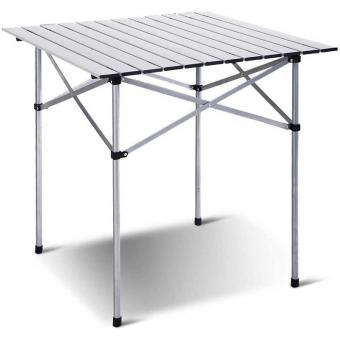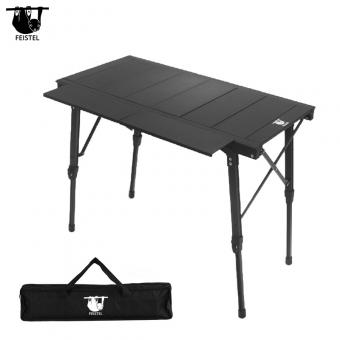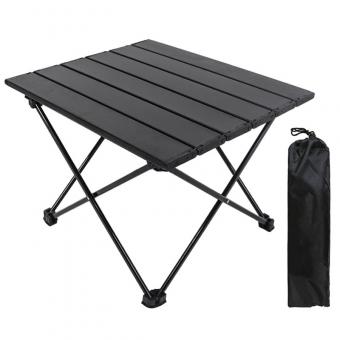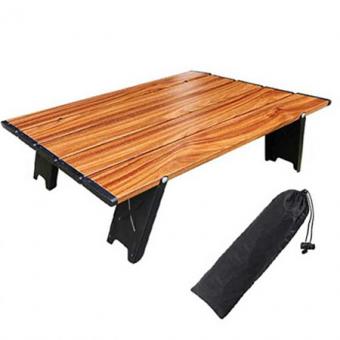
Marke : ANHUI FEISTEL FACTORY Zugehörige Fertigung : OEM und ODM Produkt : Ein leichter, kleiner, faltbarer Picknicktisch, perfekt für Outdoor-Aktivitäten. Es besteht aus langlebigen Materialien, ist tragbar und einfach einzurichten.
neil Willkommen auf unserer Website !
erfahren Sie mehrBei der Auswahl von Trekkingstöcken konzentrieren sich die meisten Wanderer auf die Materialien der Schäfte – 7075-Aluminium versus Kohlefaser – und übersehen dabei, was wohl die wichtigste Komponente ist:der Griff. Während eines typischen Wandertages führen Ihre Hände Tausende von Mikroanpassungen an Ihren Stöcken durch und übertragen bei jedem Aufsetzen des Stocks Kraft durch die Griffe. Das richtige Griffmaterial minimiert Unbehagen, verhindert Blasen und maximiert die Effizienz der Kraftübertragung.
Drei Materialien dominieren den Markt:Kork vs. EVA-Schaum, und Gummi. Jedes bietet unterschiedliche Vorteile und Kompromisse hinsichtlich Feuchtigkeitsmanagement, Wärmeleitung, Vibrationsdämpfung, Haltbarkeit und Gewicht. Hier erfahren Sie alles, was Sie wissen müssen, um den richtigen Griff für Ihren Wanderstil auszuwählen.
Korkgriffe bestehen aus Granulat, das von Korkeichen geerntet wird und typischerweise mit synthetischen Polymeren gebunden ist, um ein langlebiges Verbundmaterial zu schaffen. Dieser nachhaltige Ansatz nutzt Rinde, die nach der Ernte nachwächst, und macht sie zu einer umweltfreundlichen Wahl.
Hervorragendes Feuchtigkeitsmanagement. Kork leitet Schweiß auf natürliche Weise ab und behält dabei auch bei Feuchtigkeit die Reibung bei. Anders als synthetische Materialien, die bei Nässe rutschig werden, fühlt sich Kork bei schweißtreibenden Aufstiegen sicher an. Die mikrozellulare Struktur des Materials zieht Feuchtigkeit von der Haut weg und ermöglicht ihre Verdunstung. Wie ein Rezensent es ausdrückte, machen Korkgriffe "Ihre Hände bei warmen Bedingungen nicht schwitzig".
Individuelle Anpassungsfähigkeit. Durch wiederholte Nutzung und Einwirkung von Körperwärme passt sich Kork allmählich der Form Ihrer Hand an und schafft eine individuelle Passform, die Druckstellen minimiert. Eine ausführliche Bewertung merkt an, dass Korkgriffe "anfangs etwas scheuern können, [sich aber] allmählich an Ihre Hände anpassen". Je mehr Sie sie verwenden, desto komfortabler werden sie.
Temperaturregulierung. Kork weist eine geringe Wärmeleitfähigkeit auf und bleibt bei extremen Temperaturen angenehm neutral in der Berührung. Er fühlt sich weder bei kalten Bedingungen eiskalt noch bei direkter Sonneneinstrahlung unangenehm heiß an.
Vibrationsdämpfung. Kork bietet für die meisten Trailbedingungen eine ausreichende Stoßabsorption und filtert effektiv hochfrequente Vibrationen von unebenem Gelände. Er bietet eine moderate Vibrationsreduzierung – ungefähr in der Mitte zwischen Schaumstoff und Kunststoff.
Unterschiedliche Haltbarkeit. Die Korkqualität beeinflusst die Langlebigkeit erheblich. Hochwertige Griffe mit hohem Korkanteil widerstehen dem Verschleiß, während günstige Optionen mit zu vielen Bindemitteln mit der Zeit zerbröseln können. Kork ist ein natürliches, biologisch abbaubares Material, das schließlich zerfällt.
Gewicht.Kork ist immer schwerer als EVA-Schaum. Ein Hersteller merkt an, dass EVA-Stöcke trotz gleicher Beschaffenheit in jeder Hinsicht außer bei den Griffen 7 oz pro Stock wiegen, während Korkstöcke 9,5 oz pro Stock wiegen.
Eingewöhnungszeit. Im Gegensatz zu Alternativen, die sofortigen Komfort bieten, benötigt Kork eine gewisse Eingewöhnungszeit, bevor er seine optimale individuelle Form erreicht.
Wartung. Kork profitiert von gelegentlicher Reinigung mit Seife und Wasser, um die Ansammlung von Öl und Schmutz zu verhindern.
Heiße und feuchte Bedingungen, bei denen Schweißmanagement entscheidend ist
Fernwanderer, die im Laufe der Zeit individuellen Komfort schätzen
Wandern mit bloßen Händen bei warmem Wetter
EVA (Ethylen-Vinylacetat) ist ein geschlossenzelliger Polymerschaum, der für seine leichten Eigenschaften und außergewöhnlichen Dämpfungsfähigkeiten bekannt ist. Dieses synthetische Material hat in der Outdoor-Branche erheblich an Beliebtheit gewonnen.
Überlegene Dämpfung. EVA-Schaum ist der unangefochtene Spitzenreiter, wenn es um Stoßabsorption und weichen Komfort geht. Die geschlossenzellige Struktur des Materials enthält Tausende winziger Luftblasen, die sich unter Druck zusammenpressen und die Aufprallkräfte im Vergleich zu Gummi um bis zu 30 % reduzieren. Dadurch ist EVA das Material der Wahl für Anwendungen, die einen längeren Kontakt mit harten Oberflächen erfordern.
Leichtgewicht. EVA ist leichter als Kork, weniger abrasiv und deutlich günstiger herzustellen. Für Ultraleicht-Rucksackwanderer, die jedes Gramm zählen, ist dieser Gewichtsunterschied wichtig.
Sofortiger Komfort. EVA bietet direkt nach dem Auspacken sofortigen Komfort – keine Eingewöhnungszeit erforderlich. Schaumstoffgriffe sind „weich zu halten, erschwinglich und leicht“.
Schnelltrocknend. Schaumstoff scheint schneller zu trocknen als Kork.
Wärme bei Kälte.Schaumstoff und Kork sind bei Kälte beide deutlich wärmer als Gummi. Die geschlossenzellige Struktur von EVA bietet eine Wärmeisolierung.
Feuchtigkeitsaufnahme.Schaumstoffgriffe sind „weich und komfortabel, aber sie nehmen auch eher Feuchtigkeit und Schweiß auf“. Während EVA-Schaumstoff ein „hervorragendes Schweißmanagement“ bietet, schließt er Feuchtigkeit an der Oberfläche ein, anstatt sie wie Kork abzuleiten.
Bedenken hinsichtlich der Haltbarkeit.Die Weichheit des Materials macht es anfällig für Abriebsschäden durch die Kompression von Ausrüstung in Rucksäcken. Während Formulierungen mit hoher Dichte die Langlebigkeit verbessern, zeigt EVA typischerweise schneller Abnutzungserscheinungen als Gummi oder Kork. Minderwertiger EVA-Schaumstoff kann mit der Zeit dauerhafte Vertiefungen entwickeln, insbesondere dort, wo Finger konstanten Druck ausüben.
Einschränkungen bei der Textur.Die glatte Oberfläche von EVA bietet weniger ausgeprägte Struktur als Gummi, was bei technischem Gelände, das maximale Sicherheit erfordert, ein wichtiger Faktor sein kann.
Komfortorientierte Wanderer, Personen mit Arthritis oder Problemen durch Handermüdung
Ultraleichte Rucksackwanderer, die ein minimales Gewicht bevorzugen
Preisbewusste Käufer
Abenteurer bei kaltem Wetter, die Wärmeisolierung benötigen
Spezialisten für Flussüberquerungen, die häufig mit nassen Bedingungen umgehen müssen
Gummi ist die klassische Wahl für Anwendungen, die überlegenen Halt und hohe Abriebfestigkeit erfordern. Erhältlich sowohl in natürlichen (aus Latex gewonnenen) als auch in synthetischen Varianten, vereinen Gummimischungen typischerweise Flexibilität mit Verschleißfestigkeit.
Maximale Haltbarkeit.Gummi übertrifft bei der Abriebfestigkeit im Allgemeinen sowohl Kork als auch EVA und bewahrt seine strukturelle Integrität über Jahre intensiver Nutzung. Das Material bleibt über einen großen Temperaturbereich elastisch und gewährleistet Halt auf nassen oder trockenen Oberflächen.
Sicherheit bei jedem Wetter.Gummi bietet maximale Traktion unter allen Bedingungen. Es liefert eine gleichbleibende Leistung über längere Lagerzeiten hinweg. Winterstöcke verwenden nahezu universell Gummigriffe.
Hervorragende Stoßdämpfung.Gummigriffe eignen sich hervorragend zur Stoßdämpfung. Gummierte Griffe bieten Aufpralldämpfung und Temperaturkontrolle.
Blasen an bloßen Händen.Gummi ist hart und nimmt keine Feuchtigkeit auf, was Reibung und Blasen an bloßen Händen verursachen kannDies spielt keine Rolle, wenn du Handschuhe trägst, aber beim Wandern bei warmem Wetter ist es ein erhebliches Problem.
Kalt im Winter, heiß im Sommer.Gummi leitet Temperatur schnell weiter und fühlt sich im Winter kalt und bei direkter Sonneneinstrahlung heiß an.
Schwerer.Gummigriffe fügen mehr Gewicht hinzu als Alternativen aus Schaumstoff oder Kork.
Winter- und Höhenwanderungen
Wandern mit Handschuhen (bei dem Feuchtigkeitsaufnahme irrelevant ist)
Technisches Gelände, das maximale Sicherheit erfordert
Nutzer, die Haltbarkeit über alles andere stellen
Alle Wetterbedingungen, bei denen ein gleichmäßiger Halt entscheidend ist
Merkmal
Kork
EVA-Schaum
Gummi
Feuchtigkeitsmanagement
★★★★★ (leitet Schweiß ab)
★★★ (nimmt auf, trocknet langsamer)
★★ (nimmt nicht auf)
Dämpfung
★★★
★★★★★
★★★★
Haltbarkeit
★★★ (variiert je nach Qualität)
★★★
★★★★★
Gewicht
★★★ (am schwersten)
★★★★★ (am leichtesten)
★★★
Individuelle Passform
★★★★★ (passt sich der Hand an)
★★
★
Leistung bei kaltem Wetter
★★★★
★★★★★
★★
Leistung bei heißem Wetter
★★★★★
★★★
★★
Preis
★★ (am teuersten)
★★★★★ (am günstigsten)
★★★
Einlaufen erforderlich
Ja
Nein
Nein
Viele Premium-Trekkingstöcke verfügen mittlerweile über hybride Griffdesigns mit Materialkombinationen. Die Trail Cork-Stöcke von Black Diamond verwenden beispielsweise einen Griff aus 100 % Naturkork mit einer EVA-Schaumstoff-Griffverlängerung für das Umgreifen bei steilen Anstiegen. Diese Konfiguration bietet den feuchtigkeitsableitenden Komfort von Kork dort, wo deine Hand natürlich aufliegt, sowie die leichte Polsterung von Schaumstoff, wenn du den Stock bei Serpentinen weiter unten greifen musst.
Mehrere Hersteller produzieren mittlerweile Griffe mit Kork in Kombination mit EVA-Schaumstoffverlängerungen, die Vielseitigkeit für unterschiedliches Gelände bieten.
Wähle Kork, wenn: Du bei heißen, schweißtreibenden Bedingungen wanderst und einen Griff möchtest, der sich mit der Nutzung verbessert, sich deiner Hand anpasst und Feuchtigkeit auf natürliche Weise reguliert. Der höhere Preis lohnt sich für erfahrene Wanderer, die lange Tage auf dem Trail verbringen.
Wähle EVA-Schaumstoff, wenn: Du geringes Gewicht, sofortigen Komfort und ein günstiges Preisniveau bevorzugst. Schaumstoffgriffe sind ideal für Ultraleicht-Rucksackwanderer und komfortorientierte Wanderer, denen eine etwas geringere Haltbarkeit nichts ausmacht.
Wähle Gummi, wenn: Du bei winterlichen Bedingungen wanderst, Handschuhe trägst oder technisches Gelände bewältigst, bei dem maximale Griffigkeit und Haltbarkeit unverzichtbar sind.
Wie ein erfahrener Wanderer es zusammenfasste: "Ich bevorzuge Kork gegenüber Schaumstoff, aber Schaumstoff scheint schneller zu trocknen, ist günstiger und langlebiger. Beide sind schön und es ist eher eine persönliche Vorliebe". Der „richtige“ Griff hängt letztendlich davon ab, wo du wanderst, wann du wanderst und was dir am wichtigsten ist.
Kategorien
neuer Blog
Stichworte
Marke : ANHUI FEISTEL FACTORY Zugehörige Fertigung : OEM und ODM Produkt : Ein leichter, kleiner, faltbarer Picknicktisch, perfekt für Outdoor-Aktivitäten. Es besteht aus langlebigen Materialien, ist tragbar und einfach einzurichten.
Marke : ANHUI FEISTEL FABRIK Verwandte Fertigung : OEM und ODM Produkt : Der maßgefertigte, leichte, faltbare Moon Chair aus Metalleisen bietet dauerhaften Halt und Komfort, ideal für Camping im Freien, mit einem kompakten, tragbaren Design für einfachen Transport und Lagerung.
Marke : ANHUI FEISTEL FACTORY Zugehörige Fertigung : OEM und ODM Produkt : Tragbarer, zusammenklappbarer, aufrollbarer Picknicktisch für den Außenbereich: Leichtes, robustes Aluminiumdesign mit einstellbarer Höhe, einfacher Einrichtung und kompakter Tragetasche für Camping, Picknicks und Outdoor-Aktivitäten.
Marke : ANHUI FEISTEL FACTORY Zugehörige Fertigung : OEM und ODM Produkt : Ein vielseitiger, tragbarer IGT BBQ-Campingtisch mit höhenverstellbaren Beinen. Ideal zum Kochen im Freien, Camping und Picknicks. Leicht und faltbar für einfachen Transport.
Marke : ANHUI FEISTEL FACTORY Zugehörige Fertigung : OEM und ODM Produkt : Kompakter und leichter Klapptisch aus Aluminium, perfekt für Camping, Strand oder Outdoor-Aktivitäten. Leicht zu tragen, robust und ideal zum Aufbewahren von Speisen und Getränken.
Marke : ANHUI FEISTEL FABRIK Verwandte Fertigung : OEM und ODM Produkt : Dieser faltbare Camping-Liegestuhl aus Holz verfügt über einen stabilen Rahmen, ein ergonomisches Liegedesign und eine kompakte Faltstruktur – perfekt zum Entspannen am Strand, auf dem Campingplatz oder im Garten.
Marke : ANHUI FEISTEL FABRIK Verwandte Fertigung : OEM und ODM Produkt : Dieser klappbare Campingstuhl mit Aluminiumrahmen für den Außenbereich verfügt über eine verstellbare Rückenlehne, ein leichtes und dennoch robustes Design und bietet tragbaren Komfort für Camping, Strandausflüge, Picknicks und Entspannung im Freien.
Marke : ANHUI FEISTELFABRIK Relate Manufacturing : OEM & ODM Produkt : Der Mini-Hocker für Wanderungen und Rucksackreisen kombiniert ein robustes, faltbares Design aus Oxford-Gewebe mit einer cleveren Stiftetasche und bietet so Tragbarkeit, Komfort und Praktikabilität für Campingausflüge und Outdoor-Abenteuer.
Marke : ANHUI FEISTEL FABRIK Verwandte Fertigung : OEM und ODM Produkt : Das Reiseschlafbett aus der Wanderausrüstung für den Großhandel ist ein höhenverstellbares, zusammenklappbares Campingbett, das stabilen Halt, einfache Tragbarkeit und bequeme Ruhe für Outdoor-Abenteuer bietet.
Marke : ANHUI FEISTEL FABRIK Zugehörige Fertigung : OEM und ODM Produkt : Ein ultraleichtes, kompaktes, tragbares und zusammenklappbares Campingbett für den Außenbereich, ideal für Rucksacktouren, mit robustem Rahmen, einfachem Aufbau und einer praktischen Tragetasche für unterwegs.
BLEIBEN WIR IN VERBINDUNG :