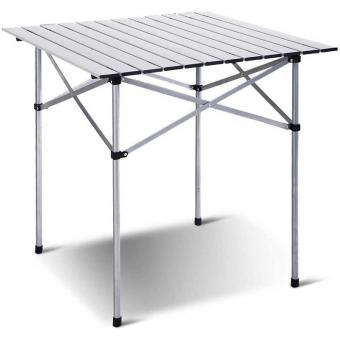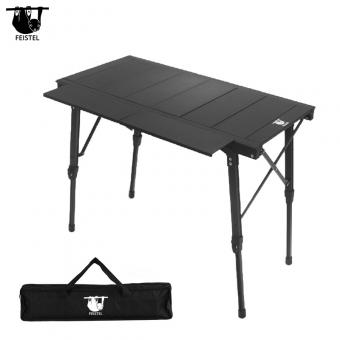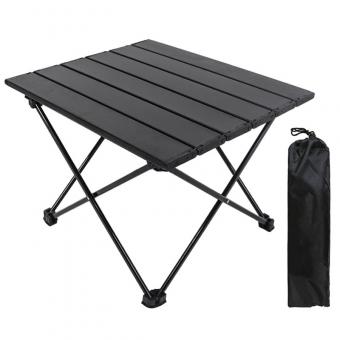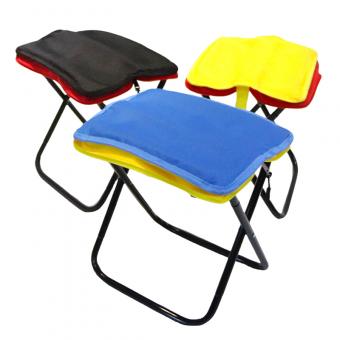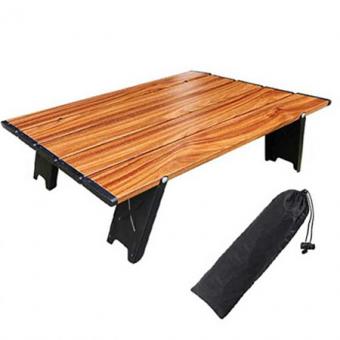
Marke : ANHUI FEISTEL FACTORY Zugehörige Fertigung : OEM und ODM Produkt : Ein leichter, kleiner, faltbarer Picknicktisch, perfekt für Outdoor-Aktivitäten. Es besteht aus langlebigen Materialien, ist tragbar und einfach einzurichten.
neil Willkommen auf unserer Website !
erfahren Sie mehrDer globale Campingzelt-Markt erreichte 4,1 Milliarden USD im Jahr 2024, wobei Zelte, die allein für die Nutzung durch zwei Personen konzipiert sind, 1,9 Milliarden USD erwirtschafteten und einen Marktanteil von 45 % ausmachten. Für Outdoor-Marken, Einzelhändler und Unternehmer, die in dieses lukrative Segment einsteigen oder es erweitern möchten, ist OEM/ODM-Anpassung der Weg zur Differenzierung. Die Anpassung geht jedoch weit über das Aufbringen eines Logos auf ein Standardprodukt hinaus. Von der Stoffauswahl und den Stangenmaterialien bis hin zu Farbschemata und Markenumsetzung beeinflusst jede Entscheidung die Leistung, Kostenstruktur und Marktpositionierung Ihres Produkts.
Dieser Leitfaden führt durch die vier Säulen der 2-Personen-Zelt-Anpassung – Stoffe, Stangenmaterialien, Farben und Markenauftritt – und erklärt, was Käufer vor der ersten Bestellung wissen müssen.
Der Stoff ist die wichtigste Materialentscheidung bei der Zeltfertigung. Er bestimmt Gewicht, Wasserdichtigkeit, Haltbarkeit, UV-Beständigkeit und Preisniveau. Die meisten OEM-Projekte wählen zwischen Polyester-, Nylon- und Oxford-Geweben mit unterschiedlichen Beschichtungsgraden.
Denier (D) misst die Dicke und das Gewicht von Stofffasern – genauer gesagt das Gewicht in Gramm von 9.000 Metern einer einzelnen Faser. Eine niedrigere Zahl bedeutet leichteren Stoff; eine höhere Zahl bedeutet dickeres, widerstandsfähigeres Material.
Denier-Bereich
Typische Verwendung
Am besten geeignet für
7D–20D
Ultraleichte Nylonzelte
Rucksackreisen, gewichtsbewusste Wanderer
68D–75D
Standard-Polyesterzelte
Allgemeines Camping in drei Jahreszeiten
150D–600D
Robustes Oxford-Gewebe
Zeltböden, stark beanspruchte Bereiche
Nylon ist pro Gramm leichter und stärker, wodurch es die bevorzugte Wahl für Rucksackzelte ist. Ein 20D-Ripstop-NylonDas Außenzelt wiegt deutlich weniger als ein 75D-PolyesterAußenzelt – aber die 75D-Version ist deutlich widerstandsfähiger gegen Abrieb durch Äste und felsige Campingplätze. Ein niedrigerer Denier-Wert ist nicht immer besser; es hängt von der Anwendung ab.
Polyesterzeichnet sich durch hohe UV-Beständigkeit aus und hängt bei Nässe nicht durch – wichtige Vorteile beim Camping mit dem Auto und bei längerer Sonneneinstrahlung. Ein Nylon-Zelt kann bereits nach zwei Wochen unter intensiver Sonne in großer Höhe bis zu 50 % seiner Festigkeit verlieren.
Oxford-Gewebe (150D–600D) wird aufgrund seiner Durchstoßfestigkeit und Langlebigkeit häufig für Zeltböden verwendet. Zeltböden bestehen typischerweise aus Oxford- oder PE-Materialien mit versiegelten Nähten, um das Eindringen von Feuchtigkeit zu verhindern.
Die Wassersäulenangabe (HH)misst, wie wasserdicht ein Gewebe ist – genauer gesagt, wie hoch eine Wassersäule werden kann, bevor Wasser hindurchsickert.
Die meisten Zeltstoffe werden mit Polyurethan-(PU)-Beschichtungen (häufig bei Polyester) oder Silikonbeschichtungen (häufig bei Nylon) behandelt. Einige Premium-Zelte verwenden außen Silikon und innen PUfür optimale Leistung. Lieferanten mit eigenen Prüflaboren können verifizierte Leistungsdaten bereitstellen – entscheidend für Käufer, die auf Premiummärkte oder den Einsatz unter extremen Bedingungen abzielen.
Hersteller der Spitzenklasse bieten maßgeschneiderte Materiallösungeneinschließlich Stoffen, Stangen und Komponenten, die auf Langlebigkeit, Wasserdichtigkeit und Umweltbedingungen optimiert sind. Zu den gängigen individuellen Stoffoptionen gehören:
20D-Nylonfür ultraleichte Rucksackzelte
210T-Polyestermit PU-Beschichtung für ausgewogene Leistung
150D–600D Oxfordfür robuste Böden und stark beanspruchte Bereiche
Poly-Baumwoll-Canvasfür Glamping und Premium-Anwendungen
Das Gestänge des Zeltes bestimmt die strukturelle Integrität, das Gewicht und die Stabilität beim Aufbau. Zwei Materialien dominieren: Aluminium und Fiberglas.
Fiberglasstangen sind günstigeraber schwerer und weniger langlebig als Aluminium. Sie haben eine kürzere Lebensdauer – typischerweise 2–5 Jahre – und können bei kalten Temperaturen spröde werden. Bei preisgünstigen 2-Personen-Zelten für Gelegenheitscamper bleiben Fiberglasstangen eine häufige Wahl. Für ernsthafte Outdoor-Nutzung ist Aluminium jedoch die klare bessere Wahl.
Aluminiumstangen sind leichter, langlebiger und werden beim Rucksackwandern bevorzugt. Im Vergleich zu Fiberglasstangen mit gleicher Festigkeit können verstärkte hohle Aluminiumstangen etwa 50 % weniger wiegen.
Innerhalb von Aluminium bieten verschiedene Legierungen unterschiedliche Leistungsmerkmale:
|
Legierung |
Festigkeit |
Gewicht |
Typische Verwendung |
|
6061-T6 |
Mittel |
Schwerer |
Standardzelte, kostengünstig |
|
7075-T6/T9 |
Hoch (80 %+ stärker als 6061) |
Leichter (10–15 % leichter als 6061) |
Premium-Zelte, ultraleicht |
|
7001-T6 |
Hoch (DAC-Standard) |
Leicht |
Premium-Zelte für Rucksacktouren |
7075-Aluminiumbietet höhere Steifigkeit, Härte und ein geringeres Gewicht pro Einheit und ist damit die Wahl für hochwertige, leichte Produkte. DAC-Stangenbasieren üblicherweise auf 7001-Material (mit einigen 7075-Optionen), wodurch sie eine hervorragende Flexibilität und Langlebigkeit bieten.
Käufer können Folgendes festlegen:
Material der Zeltstangen (Aluminium oder Fiberglas)
Durchmesser der Zeltstangen (dicker = stärker, schwerer)
Wandstärke (dicker = langlebiger)
Einige Premium-Anbieter bieten 9,5-mm-Luftfahrtaluminium-Zeltstangenfür ein maximales Verhältnis von Festigkeit zu Gewicht. Für Marken, die auf den wachsenden Ultraleichtmarkt abzielen – in dem einige Produkte inzwischen weniger als 2 kg für ein 2-Personen-Zeltwiegen – sind Zeltstangen aus 7075-Aluminium ein wichtiges Differenzierungsmerkmal.
Die Farbe ist häufig das sichtbarste Unterscheidungsmerkmal einer Marke. Pantone-abgestimmte Farbengewährleisten eine einheitliche Markenpräsenz bei Zelten, Taschen und Zubehör.
Die Farbanpassung gilt für mehrere Komponenten:
Außenzeltstoff
Innenzeltstoff
Gurtbänder und Besätze
Naht
Stangenfarbe (falls zutreffend)
Tragetasche und Verpackung
Seriöse Hersteller verwenden Pantone-Farbabgleichum eine exakte Reproduktion der Markenfarben sicherzustellen. Dies umfasst:
Übermittlung der Pantone-Farbcodes für jede Komponente
Herstellung von Farbmuster durch die Fabrik zur Genehmigung
Anpassung der Färbeformeln, bis die exakte Übereinstimmung erreicht ist
Festlegung des genehmigten Farbstandards für die Produktion
Die Farbkonsistenz wird während der Stoffinspektion vor Beginn des Zuschnitts überprüft. Lieferanten können Markenfarben über Außenzelt, Gurtband, Nähte und Taschen hinweg abstimmenfür eine einheitliche Produktlinie.
Dunklere Farbenabsorbieren mehr Wärme, verbergen aber Schmutz besser
Hellere Farbenbleiben kühler, zeigen aber Flecken leichter
Gut sichtbare Farben (Orange, Gelb) verbessern die Sicherheit und fallen in Verkaufsregalen auf
Neutrale Farbtöne (Grün, Khaki, Grau) sprechen traditionelle Camper an und fügen sich in natürliche Umgebungen ein
Markenauftritt verwandelt ein generisches Zelt in ein vermarktbares Produkt. OEM/ODM-Anpassung für Farben, Logos und Verpackungist ein Standardangebot professioneller Zelthersteller.
Die Platzierung des Logos hängt von der Zeltstruktur und dem Stofftyp ab. Häufige Positionen sind:
Regenschutz (außen und/oder innen)
Zeltkörper (in der Nähe der Tür oder Seitenwände)
Tragetasche
Packbeutel
Verpackung (Einzelhandelskartons, Hängeetiketten)
Verschiedene Druckverfahren eignen sich für unterschiedliche Anwendungen:
|
Methode |
Am besten geeignet für |
Haltbarkeit |
Auswirkung auf die Mindestbestellmenge |
|
Siebdruck |
Einfache Logos, Großserienproduktion |
Hoch |
Niedrigere Stückkosten bei großen Mengen |
|
Wärmeübertragung |
Komplexe Designs, kleinere Chargen |
Mittel |
Flexible Mindestbestellmengen |
|
Digitaldruck |
Vollfarbige Muster, durchgängige Muster |
Mittel |
Höhere Kosten, niedrigere Mindestbestellmengen |
|
Stickerei |
Hochwertiges Branding, strukturierte Logos |
Sehr hoch |
Höhere Kosten, Premium-Positionierung |
Der Logodruck erfordert typischerweise eine Mindestbestellmenge. Für Siebdruck, können Mindestbestellmengen bei 100–200 Einheiten pro Design beginnen. Für Digitaldruck oder Wärmeübertragung, sind oft niedrigere Mindestbestellmengen möglich. Einige Lieferanten bieten kostenlosen Logodruck ab einer Mindestbestellmenge von 10 Einheiten für ausgewählte Modelle an.
MOQs variieren stark und sollten zu Ihrem Geschäftsmodell passen:
|
MOQ-Stufe |
Typischer Bereich |
Am besten geeignet für |
|
Niedrig |
1–50 Stück |
Muster, Start-ups, DTC-Marken zur Validierung der Marktanpassung |
|
Mittlerer Bereich |
100–300 Stück |
Ausgewogenes Verhältnis zwischen Kosteneffizienz und verwaltbarem Lagerbestand |
|
Hoch |
1.000+ Stück |
Maximierung der Stückkosteneinsparungen, großflächiger Einzelhandelsvertrieb |
Bei Großhandels- oder OEM-Bestellungen beginnt die MOQ typischerweise bei 100–200 Einheiten pro Design abhängig von Zeltgröße und Komplexität der Anpassungen.Großabnehmer können oft 1–2-Personen-, 3–4-Personen- und Zelte für 4+ Personen innerhalb desselben Containers kombinieren, um Kosteneffizienz zu erzielen.
Vor der Aufgabe einer Großbestellung die Qualität überprüfen durch:
Anfordern physischer Muster—die Musterkosten liegen typischerweise zwischen 50 und 150 US-Dollar und werden bei Auftragsbestätigung oft erstattet
Überprüfen der Stoffspezifikationen—Denier, Beschichtungsart und HH-Wert schriftlich bestätigen
Überprüfen der Stangenmaterialien—Legierungstyp (6061 vs. 7075) und Wandstärke überprüfen
Überprüfen der Nahtabdichtung—sicherstellen, dass PU-Band gleichmäßig ohne Blasenbildung angebracht ist
Testen des Aufbaus—das Musterzelt aufbauen, um die strukturelle Integrität zu überprüfen
Qualitätsprüfungen werden in mehreren Phasen durchgeführt: Stoffprüfung, Nähprüfung, Montagekontrolle, abschließender Aufbautest und Verpackungsprüfung. Wir überprüfen auch die Haftung der Nahtabdichtung für wasserdichte Zelte—lockeres Band kann bei Regenbedingungen zu Undichtigkeiten führen.
Die reguläre Produktion dauert typischerweise 30–45 Tage nach der Musterfreigabe. Eine Expressproduktion kann in Nebensaisonzeiten verfügbar sein. Lieferanten mit eigener Fertigung—die Zuschnitt, Nähen und Montage in einer einzigen Anlage kontrollieren—können Produktionsabweichungen reduzieren und eine gleichbleibende Qualität bei Nachbestellungen gewährleisten.
Der Schlüssel zu einer erfolgreichen Anpassung liegt im Verständnis der Kompromisse: Nylon bietet Gewichtsvorteile, aber eine geringere UV-Beständigkeit; Polyester widersteht Sonneneinstrahlung besser, wiegt aber mehr; 7075 Aluminium bietet ein erstklassiges Verhältnis von Festigkeit zu Gewicht, kostet jedoch deutlich mehr als Glasfaser; Siebdruck bietet Haltbarkeit, erfordert aber höhere MOQs als Digitaldruck.
Für B2B-Käufer macht der richtige Fertigungspartner den entscheidenden Unterschied. Suchen Sie nach Lieferanten mit vertikal integrierten Produktionsstätten, hauseigenen Prüflaboren, reaktionsschneller Kommunikation, und flexiblen MOQs die zu Ihrer Unternehmensphase passen. Der Markt für 2-Personen-Zelte wächst weiter—mit einer prognostizierten CAGR von 7,4 % von 2025 bis 2034—und die Marken, die in durchdachte Anpassungen investieren, werden am besten positioniert sein, um dieses Wachstum zu nutzen.
Kategorien
neuer Blog
Stichworte
Marke : ANHUI FEISTEL FACTORY Zugehörige Fertigung : OEM und ODM Produkt : Ein leichter, kleiner, faltbarer Picknicktisch, perfekt für Outdoor-Aktivitäten. Es besteht aus langlebigen Materialien, ist tragbar und einfach einzurichten.
Marke : ANHUI FEISTEL FABRIK Verwandte Fertigung : OEM und ODM Produkt : Der maßgefertigte, leichte, faltbare Moon Chair aus Metalleisen bietet dauerhaften Halt und Komfort, ideal für Camping im Freien, mit einem kompakten, tragbaren Design für einfachen Transport und Lagerung.
Marke : ANHUI FEISTEL FACTORY Zugehörige Fertigung : OEM und ODM Produkt : Tragbarer, zusammenklappbarer, aufrollbarer Picknicktisch für den Außenbereich: Leichtes, robustes Aluminiumdesign mit einstellbarer Höhe, einfacher Einrichtung und kompakter Tragetasche für Camping, Picknicks und Outdoor-Aktivitäten.
Marke : ANHUI FEISTEL FACTORY Zugehörige Fertigung : OEM und ODM Produkt : Ein vielseitiger, tragbarer IGT BBQ-Campingtisch mit höhenverstellbaren Beinen. Ideal zum Kochen im Freien, Camping und Picknicks. Leicht und faltbar für einfachen Transport.
Marke : ANHUI FEISTEL FACTORY Zugehörige Fertigung : OEM und ODM Produkt : Kompakter und leichter Klapptisch aus Aluminium, perfekt für Camping, Strand oder Outdoor-Aktivitäten. Leicht zu tragen, robust und ideal zum Aufbewahren von Speisen und Getränken.
Marke : ANHUI FEISTEL FABRIK Verwandte Fertigung : OEM und ODM Produkt : Dieser faltbare Camping-Liegestuhl aus Holz verfügt über einen stabilen Rahmen, ein ergonomisches Liegedesign und eine kompakte Faltstruktur – perfekt zum Entspannen am Strand, auf dem Campingplatz oder im Garten.
Marke : ANHUI FEISTEL FABRIK Verwandte Fertigung : OEM und ODM Produkt : Dieser klappbare Campingstuhl mit Aluminiumrahmen für den Außenbereich verfügt über eine verstellbare Rückenlehne, ein leichtes und dennoch robustes Design und bietet tragbaren Komfort für Camping, Strandausflüge, Picknicks und Entspannung im Freien.
Marke : ANHUI FEISTELFABRIK Relate Manufacturing : OEM & ODM Produkt : Der Mini-Hocker für Wanderungen und Rucksackreisen kombiniert ein robustes, faltbares Design aus Oxford-Gewebe mit einer cleveren Stiftetasche und bietet so Tragbarkeit, Komfort und Praktikabilität für Campingausflüge und Outdoor-Abenteuer.
Marke : ANHUI FEISTEL FABRIK Verwandte Fertigung : OEM und ODM Produkt : Das Reiseschlafbett aus der Wanderausrüstung für den Großhandel ist ein höhenverstellbares, zusammenklappbares Campingbett, das stabilen Halt, einfache Tragbarkeit und bequeme Ruhe für Outdoor-Abenteuer bietet.
Marke : ANHUI FEISTEL FABRIK Zugehörige Fertigung : OEM und ODM Produkt : Ein ultraleichtes, kompaktes, tragbares und zusammenklappbares Campingbett für den Außenbereich, ideal für Rucksacktouren, mit robustem Rahmen, einfachem Aufbau und einer praktischen Tragetasche für unterwegs.
BLEIBEN WIR IN VERBINDUNG :