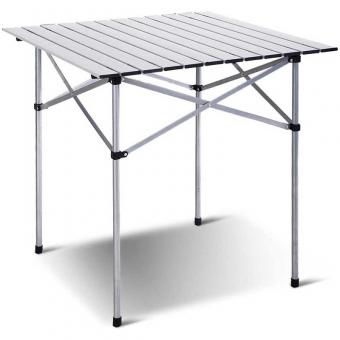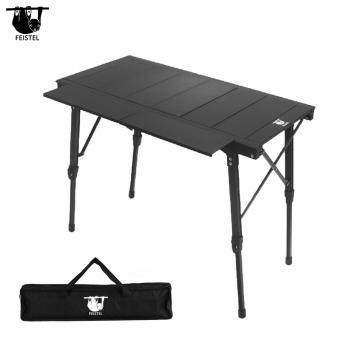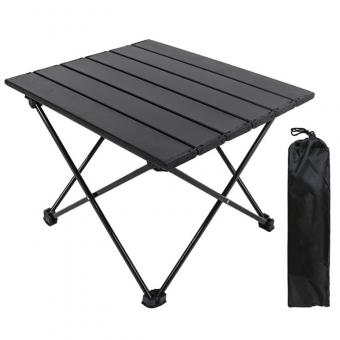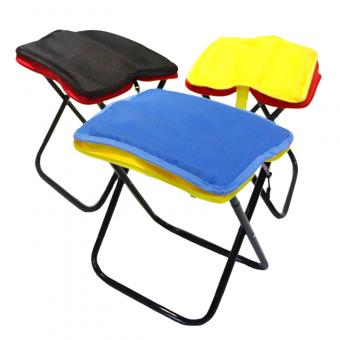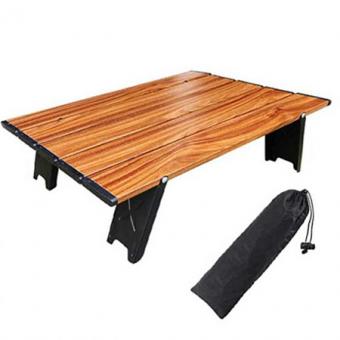
Marke : ANHUI FEISTEL FACTORY Zugehörige Fertigung : OEM und ODM Produkt : Ein leichter, kleiner, faltbarer Picknicktisch, perfekt für Outdoor-Aktivitäten. Es besteht aus langlebigen Materialien, ist tragbar und einfach einzurichten.
neil Willkommen auf unserer Website !
erfahren Sie mehrThe practical differences are summarized below. Results depend on the full equipment configuration, not one bare component.
|
Factor |
Sleeping Pad |
Hammock |
|
Primary support |
Ground or suitable platform |
Suspended fabric and anchors |
|
Site needs |
Permitted suitable surface |
Permitted suitable anchors |
|
Bottom insulation |
Pad construction; tested R-value if claimed |
Compatible pad or underquilt as needed |
|
Main failure considerations |
Valves, leaks, damage |
Fabric, straps, connectors, anchors |
|
Weight comparison |
Include shelter and other gear |
Include tarp, straps, insulation, net |
At FEISTEL, we view sleeping pads and hammocks as distinct elements of an outdoor sleeping system, not necessarily as direct substitutes. A pad supports and insulates a sleeper resting on a suitable surface; a hammock supports a person through suspended fabric and an appropriate anchor arrangement. Both can contribute to overnight comfort, yet neither alone automatically supplies rain shelter, insect exclusion and complete thermal insulation. We recommend comparing the full configuration for the planned campsite, weather, transport distance and sleeping preferences. Our discussion reflects product-design principles, not an invented head-to-head FEISTEL laboratory ranking.
A camping sleeping pad is a portable layer designed to provide cushioning and some resistance to heat transfer between the sleeper and the surface beneath. Inflatable air pads, self-inflating foam-and-air pads and closed-cell foam pads achieve these functions differently. Thickness, chamber design, material and inflation affect how a pad feels. FEISTEL recommends examining usable length and width, packed dimensions, mass, construction and relevant thermal-resistance evidence rather than assuming that a thick pad is automatically a warm pad or that all inflatable pads behave identically.
A camping hammock is a flexible suspended sleeping surface. Its user load passes through fabric and attachment points into suspension straps, connectors and appropriate anchors. Different constructions include gathered-end and bridge-style arrangements, with optional insect nets, tarps and insulation. We distinguish a casual daytime lounging hammock from a complete overnight shelter. A strong fabric body does not certify the straps, connectors or trees supporting it; FEISTEL recommends reviewing the complete load path and using the system only as instructed and where hanging is permitted.
Comparing a bare hammock with one insulated pad can produce a misleading weight or value conclusion. Ground sleep may involve a suitable shelter, pad, top insulation and ground protection. Overnight hammock use can require the hammock body, suspension, tarp, insect net, bottom insulation and top insulation. Some products integrate several elements, while others do not. We recommend a written equipment list for both arrangements under equivalent temperature, precipitation and insect requirements. The lightest item is not necessarily part of the lightest complete and suitable system.
We suggest beginning with terrain and legal setup options. If the route lacks suitable permitted anchors but provides a lawful, reasonably level shelter location, a ground pad may offer better location flexibility. If the campsite has safe permitted anchors but the ground is rocky or root-covered, suspended sleep may be attractive. Next compare personal sleep position, bottom insulation, actual carrying weight and setup confidence. Neither category is a universal winner, and a compatible pad can sometimes provide bottom insulation inside a hammock.
Comfort is a relationship among body dimensions, posture, support geometry, contact pressure and time. A pad resting on an appropriate ground surface generally offers a more level arrangement, whereas a gathered-end hammock forms a suspended curve. Some sleepers value the enveloping sensation; others prefer a flatter bed. At FEISTEL, we do not claim that hammocks cure back pain or that thicker pads guarantee sleep quality. We recommend testing the complete configuration for the intended sleeping position before relying on it in remote conditions.
Back sleepers may find either system comfortable when its dimensions and setup match the body. On a pad, inflation pressure or foam construction changes the contact between torso, pelvis and the ground-supported surface. In a hammock, length, width, fabric tension and suspension determine the supported curve. We recommend evaluating actual posture, not treating an attractive side-view photo as evidence of spinal alignment. A particular product should not be advertised as medically therapeutic without appropriate evidence.
Side sleepers often notice support at the shoulder and hip, yet no single thickness or hammock shape suits everyone. A pad may need enough cushioning and width to prevent uncomfortable edge contact. A gathered-end hammock may feel restrictive to one person and acceptable to another, especially with a suitable diagonal position. We recommend checking body clearance, usable width and the possibility of natural movement. This is a practical fitting question, not a claim that all side sleepers must avoid hammock camping.
A stomach sleeper may prefer a relatively level pad because the curved body position common in some gathered-end hammocks can be inconvenient. This is a tendency, not an absolute prohibition. The actual hammock construction, suspended geometry and user preference matter. A flat-looking bridge-style system and a narrow leisure hammock are not equivalent designs. FEISTEL recommends assessing the desired sleeping posture in a safely assembled sample rather than promising that a single product category guarantees comfort.
Positioning the head and feet slightly toward opposite sides of a gathered-end hammock can change the supported profile. This technique is often called a diagonal lay. Its effectiveness depends on hammock dimensions, hanging sag, fabric and user proportions. It cannot turn every short narrow hammock into a level mattress. We recommend following the product setup guidance, keeping the hang safe and low, then checking the sleeper’s position without increasing suspension tension recklessly to force a flatter appearance.
Thickness influences cushioning and ground clearance, but thermal performance depends on the pad’s complete construction. Internal air spaces, foam, reflective layers, seams and edge geometry affect heat flow. An impressive thickness figure does not independently establish high R-value. At FEISTEL, we recommend separating pressure-support claims from insulation claims and requesting applicable thermal data when a pad is marketed for colder conditions. Likewise, a thin appearance cannot on its own establish poor performance without knowing the internal structure.
R-value describes thermal resistance measured under defined conditions. ASTM F3340 is a test method for assessing camping mattress thermal resistance using a guarded hot-plate arrangement. It improves the basis for comparing pads measured consistently, but the value is not a guaranteed minimum outdoor temperature. FEISTEL recommends identifying the test method, tested configuration and current report whenever quoting a pad R-value. A figure borrowed from an unrelated product or inferred from thickness is not a verified FEISTEL result.
Ground sleeping and hammock sleeping expose the body to different heat-transfer paths. A pad limits heat movement toward the supporting ground. A suspended hammock has moving air beneath its fabric, so underside insulation may become important even where the ground itself is not contacted. The temperature of the air, wind, moisture, top insulation and body coverage all influence the result. We do not claim a universal temperature at which every camper becomes cold; insulation should be planned for conditions and personal needs.
A sleeping pad normally lies inside the hammock under the user; an underquilt hangs beneath the hammock body. The pad may serve ground camping as well, but can slide, bend or leave side areas uncovered in a curved hammock. An underquilt can preserve insulation loft outside the body-contact area, yet requires correct fit and suspension to avoid gaps. FEISTEL recommends examining insulation coverage, packing volume, compatibility and setup skill rather than declaring either method universally warmer or more comfortable.
Yes, when the specific pad fits the usable hammock area and the design tolerates the curved support. A rigidly inflated rectangular pad may behave differently in suspended fabric than on level ground. Width, material friction, chamber design and inflation all influence movement. FEISTEL recommends a supervised, low installation test that checks where the pad lies after the sleeper changes position. Pad compatibility should be established for the actual products rather than assumed from the term camping mattress.
In a hammock, the fabric may rise around the shoulders and hips while the pad remains relatively planar. A narrow pad can leave lateral areas with less insulation coverage; a broad pad can fold or interfere with the hammock fabric. There is no universal ideal width without specifying the user and hammock. We recommend inspecting usable side coverage and freedom of movement, especially for people who turn during sleep. Adding width also changes carried mass and packed size, so the trade-off belongs in the buying decision.
Inflatable pads can offer substantial cushioning and compact packing, but depend on airtight fabric, seams and valves. Self-inflating pads combine foam with an air-retaining structure and may remain relatively bulky when rolled. Closed-cell foam does not rely on a valve, yet its packed size and support characteristics differ. FEISTEL recommends choosing a construction for the actual trip and not claiming that any category is automatically puncture-proof, warmer or more comfortable. Pad type also influences how well it conforms inside a hammock.
For a simplified static symmetrical hang, suspension force varies with the angle from horizontal. The idealized relationship is T = W / (2 sin θ), with W representing supported weight as a force. Shallower angles increase suspension tension. Real installations also include movement, unequal geometry and connector behavior, so a simple equation cannot certify an anchor. FEISTEL recommends using appropriate components, suitable anchors and the product’s intended hanging instructions rather than pulling a hammock almost horizontal in pursuit of apparent flatness.
A hammock requires more than two conveniently spaced trees. Anchor health, trunk characteristics, surrounding hazards and site rules must be considered. We recommend wide tree-friendly webbing and following the local land manager’s requirements; some areas prohibit hanging entirely. Do not attach to unsafe branches or improvise hardware whose load capability is unknown. For retail communications, the hammock body rating should not be confused with a verified rating for every customer-selected tree, connector or anchor.
Suspending a hammock may avoid direct contact with part of the ground, but an unsuitable strap can damage a tree and repeated footsteps can disturb surrounding vegetation. Ground sleeping also requires thoughtful site choice to avoid fragile plants and damaging surface alteration. FEISTEL recommends established campsites, compliant hanging practice, suitable straps and respectful waste management. Neither method is environmentally harmless under every condition, and both should follow local conservation rules.
A hammock can suspend the sleeper above small ground obstacles when suitable permitted anchors are present. This can be useful in areas where roots or stones interfere with an ordinary ground bed. Yet the space below must still be safe, and falling branches or unstable trees are serious concerns. A pad requires a suitable surface and should not be used to justify sleeping on a steep, unstable or prohibited site. We recommend evaluating both the legal location and the full safety requirements instead of assuming a hammock works everywhere.
Above the treeline, in deserts or open landscapes, appropriate natural anchors may be scarce. A suitable pad and permitted ground shelter can provide flexibility when the terrain supports it. A hammock may be used with a properly designed stand in some vehicle-supported situations, but the stand adds mass, volume and structural requirements. We do not recommend improvised supports or assume that one type of stand fits every hammock. Destination planning should occur before choosing the primary overnight system.
Neither a sleeping pad nor a bare hammock guarantees rain protection. Ground campers may require a suitable tent or shelter; hammock campers may require a properly sized and positioned tarp. Wind-driven rain can enter from the sides, and moisture can travel along some suspension arrangements. FEISTEL recommends evaluating complete coverage, setup and drainage rather than describing any simple fabric sheet as stormproof. Severe weather requires appropriate shelter decisions beyond the sleeping surface itself.
A pad offers no insect exclusion by itself; a ground camper may rely on a tent or other enclosure. An open hammock also leaves the sleeper exposed unless a suitable net or protective system is present. Mesh aperture, door closure, seam coverage and actual openings matter. We recommend distinguishing a decorative mesh panel from an insect enclosure designed to close around the sleeping area. Claims of complete mosquito prevention should not be made from an incomplete photograph or from the word net alone.
A suspended hammock can permit airflow beneath its fabric, but the surrounding tarp and insect net also affect ventilation. Ground tents can have their own airflow features. Comfort depends on humidity, wind, air temperature and the sleeper, not simply whether the person is above the ground. FEISTEL recommends planning for cooling after sunset as well as daytime heat. A warm afternoon does not establish that the nighttime underside insulation will be sufficient.
Cold-weather sleep demands careful attention to the insulation below the body, the top covering and the weather shelter. For ground sleeping, pad thermal resistance is especially relevant. For hammock sleeping, a compatible internal pad or fitted underquilt may reduce underside heat loss. The performance of the whole arrangement depends on coverage, gaps, wind and moisture. FEISTEL does not turn a pad R-value or unrelated quilt marketing label into a guaranteed minimum outdoor temperature. Choose conservatively and test the setup before remote exposure.
A four-season label should not replace weather-specific equipment planning. Warm summer nights, wet autumn campsites and exposed winter terrain can require very different insulation and shelter. Hammocks may have access to safe anchors in one environment but none in another. Ground pads can be usable in more places yet require suitable surfaces and protection. We recommend planning the full route and likely overnight conditions, confirming any performance ratings and avoiding general promises that one basic system works safely in every season.
Backpacking load is more than the hammock body or pad alone. Shelter, suspension, insulation, insect protection, carrying sacks and repair items all contribute. An accurate comparison lists the complete components needed for equivalent weather and sleeping requirements. For a particular route, site flexibility also matters: a low-weight hammock is not useful where suitable hanging points are unavailable. FEISTEL recommends comparing measured masses and packed dimensions of actual configurations rather than repeating generic claims that one category is always lighter.
Vehicle camping permits larger pads, more generous shelters and additional hammock accessories, but cargo dimensions still matter. A thicker pad may offer a different cushioning experience while occupying more space. A hammock may work well at a permitted tree-supported site yet require a compatible stand elsewhere. We recommend checking the vehicle storage compartment, full packed dimensions, required anchors and how often the system must be moved. The best vehicle-camping arrangement is the one that fits the site and equipment plan, not necessarily the heaviest or softest.
Open alpine and desert routes can limit hammock anchoring opportunities. For these destinations, a ground sleeping pad with a suitable shelter may offer better practical availability, provided the site is permitted and stable. Sharp rocks can threaten inflatable chambers, while sand and wind introduce their own problems. FEISTEL recommends judging the entire route rather than choosing based on a forest camping photo. A compatible stand is not automatically a realistic backpacking alternative because of its added structural mass and volume.
A large ground pad or coordinated pair of pads may offer a shared surface inside a suitable shelter. A hammock described as two-person may carry a published load figure, yet that does not guarantee two adults will sleep comfortably all night. Occupants can influence each other’s suspended positions. Two independent hammocks may preserve more movement freedom but require additional suitable anchors and shelter planning. FEISTEL recommends separating rated load, usable dimensions and practical overnight comfort rather than using the word double as proof of all three.
A taller camper may need more pad length or a hammock with enough usable length for a natural position. A broader sleeper may prioritize width and side clearance. Weight capacity is another requirement but does not replace these measurements. FEISTEL recommends publishing actual dimensions, defining usable areas and making suspension ratings clear. A product described as XL or double is not guaranteed to fit every body type. For development, target anthropometric requirements should guide geometry before marketing language is finalized.
Age alone does not determine whether ground or suspended sleep is easier. A pad on the ground requires moving to a low position, while a hammock moves as a user enters and leaves it. Both can be inconvenient for particular individuals. FEISTEL recommends safe access, suitable height and realistic mobility requirements. Ordinary recreational hammocks and pads should not be advertised as medical mobility aids or pain treatments without appropriate evidence. Where medical issues are relevant, users should seek suitable professional guidance.
Tents, tarps and hammock shelters can experience moisture even without direct rain. Humid air, cool surfaces, ventilation and ground conditions all influence condensation. A sleeping pad or hammock material description alone cannot predict the whole shelter’s moisture behavior. We recommend drying appropriate components before long storage and selecting ventilation according to the real weather. A breathable label should be supported if it is used as a quantified fabric-performance claim. Users should not confuse a water-resistant coating with complete shelter waterproofing.
Hammock performance depends on its fabric, seams, end attachments and complete suspension. Nylon or polyester labels do not specify finished load capability by themselves; yarn density is likewise not a substitute for assembled-product verification. FEISTEL recommends checking actual construction, materials and appropriate test records when making structural claims. A strong fabric panel can still be part of an unsafe system if a connector, strap or anchor is unsuitable. Product descriptions should identify whether compatible suspension accessories are included.
Inflatable and self-inflating pads depend on valves, seams and airtight surfaces. A minor puncture may be repairable using compatible materials, but not every failure can be fixed in the field. Closed-cell foam has different vulnerabilities and packing behavior. FEISTEL recommends inspecting pads before remote travel and following product-specific inflation, cleaning and storage instructions. A repair kit can be useful when compatible, yet its presence does not guarantee continued safe or warm operation after major damage.
After an outdoor trip, remove loose dirt, inspect critical attachments, and dry equipment according to the relevant instructions. Hammock straps and connectors deserve attention because they carry suspended loads. Inflatable-pad valves and seams require different care. Repeated moisture and abrasion may affect components over time. FEISTEL does not promise a fixed service life from one fabric designation; durability depends on usage, construction, storage and environment. Suspected structural hammock damage should be evaluated before the next use.
Remote journeys make failure consequences more serious. A punctured pad can lose support; a compromised hammock strap or anchor can affect the entire suspended platform. The right contingency depends on weather, route, available alternatives and user skills. FEISTEL recommends carrying relevant repair items where practical, inspecting before departure and avoiding reliance on improvised structural repairs. A backup ground-sleep option may increase flexibility for some routes, but should be tested rather than assumed to work under every shelter.
A hybrid kit can be useful when a route alternates between suitable trees and treeless sites. A pad compatible with both the hammock and a permitted ground shelter may serve two roles. Yet dual use adds compromises: the pad shape may not perfectly suit the hammock, and a hammock tarp may not be a complete ground shelter. We recommend testing both operating modes, counting all carried components and confirming site rules before describing the arrangement as fully versatile.
A meaningful comparative project should first define the research question: comfort, insulation, packed weight, setup time or structural performance. For weight, compare complete systems with equivalent weather protection. For comfort, document participants, body dimensions, sleeping positions and evaluation duration. For thermal performance, use appropriate established methods rather than converting personal feelings into ratings. For structural claims, specify the product and load conditions. These are recommendations for sound study design, not statements that FEISTEL has already conducted a comparative trial.
For a custom hammock project, we recommend defining the intended user, fabric dimensions, construction, suspension components, integrated insect protection and packed configuration. Changing width, length or attachments can affect load paths and materials usage. Branding and colors are different from structural alterations, which may require engineering review and product-specific validation. FEISTEL can discuss OEM/ODM requirements, but actual options, minimum quantities, schedules and test scope depend on the agreed project. We do not invent previous customer projects to demonstrate capabilities.
Sleeping pad development should start with the intended temperature range, sleeping dimensions, cushioning expectations, carried mass, material system and required documentation. Valve selection, air-chamber geometry, foam structure or fabric changes can alter performance. If R-value is advertised, its evidence should match the actual tested version and appropriate method. We recommend approved samples, written tolerances and clear packaging requirements. Product customization is a technical process, not merely a new logo on an unchanged material specification.
Importers should request clear identification of the exact model, included parts, net weight, packed size, intended load, construction and destination-market requirements. A hammock-only quote should not be confused with a complete hanging kit, and a pad warmth claim should not substitute for a thermal-resistance report. FEISTEL recommends matching a physical approved sample to an inspection plan, with test method, specimen identity, acceptance criteria and report date documented when critical claims are involved. Generic company statements cannot replace product-specific records.
We avoid several misleading shortcuts: calling every hammock lighter than every pad; comparing bare hammock mass against a complete ground shelter; treating R-value as a temperature guarantee; claiming hammock sleep cures back pain; assuming two-person capacity means comfortable two-person overnight use; and treating any pair of trees as safe. We also avoid declaring that an underquilt can never overheat someone or that all pads fit all hammocks. FEISTEL prefers conditional explanations supported by specifications, relevant standards and documented tests.
Can a pad be used in a hammock? Sometimes, when geometry and materials are compatible. Is a hammock automatically warmer because it is off the ground? No; airflow beneath the fabric can increase heat loss. Does a high pad R-value guarantee a specific low temperature? No; it describes measured thermal resistance in defined conditions. Are hammocks suitable without trees? Only with appropriately designed, permitted anchors or compatible stands. Is one option always better for side sleepers? No; body fit and sleeping geometry differ. Does FEISTEL quote third-party reviews as factory tests? No.
FEISTEL recommends a sleeping pad when a suitable permitted ground setup, measurable bottom insulation and familiar sleeping surface are primary needs. A hammock can be attractive when safe permitted anchors exist and the user prefers suspended support above uneven ground. For some campers, a compatible pad inside a hammock offers useful flexibility. The correct decision accounts for the full equipment list, overnight temperature, shelter, insects, body fit, setup safety and location rules. Our conclusion is not an unsupported ranking: choose the complete system that suits the person, campsite and journey.
We cite the ASTM F3340 reference as the relevant framework for standardized camping mattress thermal-resistance discussion, and refer to responsible hammock-installation guidance when discussing anchors and tree protection. These sources support general methods; they do not certify any FEISTEL model. Official category links provide background on FEISTEL's outdoor sleeping product range, not specific product recommendations.
Kategorien
neuer Blog
Stichworte
Marke : ANHUI FEISTEL FACTORY Zugehörige Fertigung : OEM und ODM Produkt : Ein leichter, kleiner, faltbarer Picknicktisch, perfekt für Outdoor-Aktivitäten. Es besteht aus langlebigen Materialien, ist tragbar und einfach einzurichten.
Marke : ANHUI FEISTEL FABRIK Verwandte Fertigung : OEM und ODM Produkt : Der maßgefertigte, leichte, faltbare Moon Chair aus Metalleisen bietet dauerhaften Halt und Komfort, ideal für Camping im Freien, mit einem kompakten, tragbaren Design für einfachen Transport und Lagerung.
Marke : ANHUI FEISTEL FACTORY Zugehörige Fertigung : OEM und ODM Produkt : Tragbarer, zusammenklappbarer, aufrollbarer Picknicktisch für den Außenbereich: Leichtes, robustes Aluminiumdesign mit einstellbarer Höhe, einfacher Einrichtung und kompakter Tragetasche für Camping, Picknicks und Outdoor-Aktivitäten.
Marke : ANHUI FEISTEL FACTORY Zugehörige Fertigung : OEM und ODM Produkt : Ein vielseitiger, tragbarer IGT BBQ-Campingtisch mit höhenverstellbaren Beinen. Ideal zum Kochen im Freien, Camping und Picknicks. Leicht und faltbar für einfachen Transport.
Marke : ANHUI FEISTEL FACTORY Zugehörige Fertigung : OEM und ODM Produkt : Kompakter und leichter Klapptisch aus Aluminium, perfekt für Camping, Strand oder Outdoor-Aktivitäten. Leicht zu tragen, robust und ideal zum Aufbewahren von Speisen und Getränken.
Marke : ANHUI FEISTEL FABRIK Verwandte Fertigung : OEM und ODM Produkt : Dieser faltbare Camping-Liegestuhl aus Holz verfügt über einen stabilen Rahmen, ein ergonomisches Liegedesign und eine kompakte Faltstruktur – perfekt zum Entspannen am Strand, auf dem Campingplatz oder im Garten.
Marke : ANHUI FEISTEL FABRIK Verwandte Fertigung : OEM und ODM Produkt : Dieser klappbare Campingstuhl mit Aluminiumrahmen für den Außenbereich verfügt über eine verstellbare Rückenlehne, ein leichtes und dennoch robustes Design und bietet tragbaren Komfort für Camping, Strandausflüge, Picknicks und Entspannung im Freien.
Marke : ANHUI FEISTELFABRIK Relate Manufacturing : OEM & ODM Produkt : Der Mini-Hocker für Wanderungen und Rucksackreisen kombiniert ein robustes, faltbares Design aus Oxford-Gewebe mit einer cleveren Stiftetasche und bietet so Tragbarkeit, Komfort und Praktikabilität für Campingausflüge und Outdoor-Abenteuer.
Marke : ANHUI FEISTEL FABRIK Verwandte Fertigung : OEM und ODM Produkt : Das Reiseschlafbett aus der Wanderausrüstung für den Großhandel ist ein höhenverstellbares, zusammenklappbares Campingbett, das stabilen Halt, einfache Tragbarkeit und bequeme Ruhe für Outdoor-Abenteuer bietet.
Marke : ANHUI FEISTEL FABRIK Zugehörige Fertigung : OEM und ODM Produkt : Ein ultraleichtes, kompaktes, tragbares und zusammenklappbares Campingbett für den Außenbereich, ideal für Rucksacktouren, mit robustem Rahmen, einfachem Aufbau und einer praktischen Tragetasche für unterwegs.
BLEIBEN WIR IN VERBINDUNG :